
The Shocking Cost of Smoking Per Year Australia: $8,000+
By Michael Whelehan | Certified Master Hypnotherapist and Master NLP Practitioner | Breathe Hypnotherapy Melbourne | Updated April 2026
The cost of smoking per year in Australia is something most smokers have never actually calculated. They know cigarettes are expensive. But the total? It never quite gets added up. So here it is: a pack-a-day smoker is currently spending between $7,500 and $9,000 per year on cigarettes, depending on brand and state. Over ten years, that is close to $80,000.
This blog is not here to shame anyone. It is here to make the number visible, because for most smokers it never is. The money leaves in small amounts, often on autopilot, and the total never lands. Once it does, things tend to shift.
What Does a Pack of Cigarettes Cost in Australia in 2026?
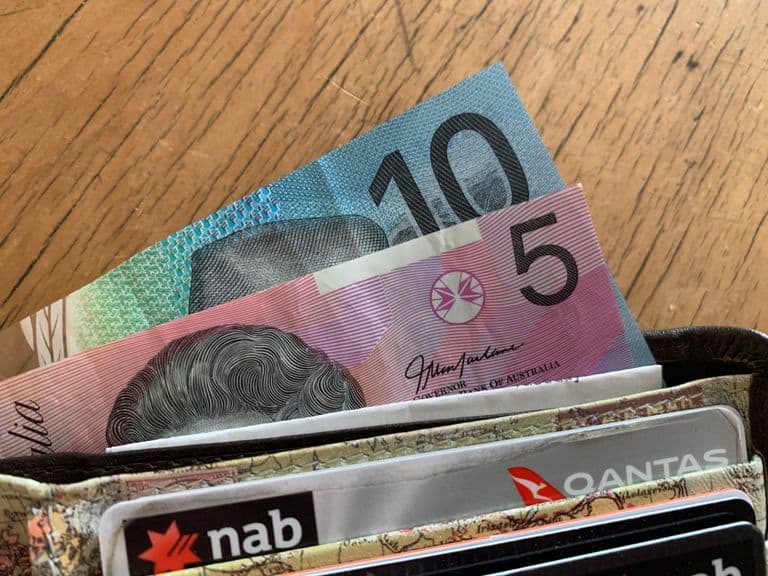
Australia has some of the highest tobacco taxes in the world. As of 2026, a standard pack of 25 cigarettes typically costs between $36 and $42 at a convenience store or service station. Budget brands sit a little lower, but not by much.
At $38 per pack, a pack-a-day smoker spends $266 per week. That is $1,140 per month. At premium prices, the annual figure sits north of $13,000.
Even at a more conservative $28 per pack, bought in bulk, the annual cost of smoking in Australia still lands around $10,200.
For people who smoke half a pack a day, a figure many smokers use to reassure themselves, the annual number at current prices is still between $3,800 and $5,000.
The True Cost of Smoking Per Year in Australia Over 10 and 20 Years
The one-year figure is striking. The multi-year figures are genuinely confronting.
A smoker who has maintained a pack-a-day habit since their mid-twenties and is now in their forties has likely spent between $100,000 and $150,000 on cigarettes across that period. That figure does not include lighters, time spent outside, productivity lost, or any health-related expenses that may have accumulated along the way.
Here is what that same money represents in current Australian terms. A deposit on an investment property in a regional area. Four years of private school fees for one child. Twelve international return flights to Europe. A complete kitchen and bathroom renovation. Retirement contributions that, compounded over twenty years, would be worth considerably more than the original amount.
None of this suggests smokers have simply been careless with money. The habit is psychological and deeply wired. The cost is structured to be invisible: small, frequent, spread across years. Making the total visible is one of the most powerful reframes available, because it turns an abstract future health risk into a concrete present financial reality.
Why the Cost of Smoking Per Year in Australia Keeps Rising
Australian tobacco excise has increased significantly over the past decade, and there is no policy indication that trend will reverse. The government applies annual excise indexation to tobacco products, meaning prices increase automatically every year regardless of broader inflation. According to Quit.org.au, tobacco price increases are a deliberate and ongoing public health strategy.
For current smokers, this means the calculation gets worse every year. A habit that costs $8,000 today will cost more next year, and the year after. The window in which quitting saves the most money is always now rather than later.
The Hidden Costs Beyond the Pack Price
The direct cost of cigarettes is only the most visible part of what smoking actually costs.
Smokers in Australia typically pay higher life insurance premiums than non-smokers. Some health insurance policies also carry loading for smokers. For a thirty-five-year-old taking out life cover, the premium difference over twenty years can represent tens of thousands of dollars.
There are productivity costs too. Most pack-a-day smokers spend fifteen to thirty minutes per day on smoke breaks. Over a working year, that is between sixty and one hundred and twenty hours of lost time.
There are health-related costs that are difficult to quantify in advance but statistically significant. Higher rates of GP visits, medication costs, and over time the potential for more serious expenses associated with smoking-related illness.
And there is the opportunity cost of the money itself. According to the Better Health Channel, smoking carries substantial long-term financial and health consequences that extend well beyond the price of a pack. $8,000 invested annually from age twenty-five in a diversified fund at average market returns would be worth substantially more than the sum of contributions by retirement. The cigarettes did not just cost what they cost. They cost what that money could have become.
What Happens When Melbourne Smokers Do the Maths
The financial framing lands differently for different people. For some, health has always been the motivator. For others, particularly those who have smoked for decades and made a kind of peace with the health risk, the financial calculation creates a new kind of urgency.
The figure most commonly mentioned by Breathe Hypnotherapy clients who cite money as part of their motivation is not the annual number. It is the ten-year number. Something about $80,000 makes the decision feel different from $8,000, even though it is the same habit across a different time horizon.
The other shift that tends to happen when people calculate the cost of smoking per year in Australia is that the habit stops feeling like a small indulgence. It starts feeling like a choice with a visible price tag. Choices with visible price tags are easier to change than abstract habits with invisible costs.
One Session vs Twenty Years of Cigarettes
For most Breathe Hypnotherapy clients, the session investment is less than a single month of cigarettes.
Many clients quit after one session and do not return to the habit, though individual results vary and success depends on genuine readiness and commitment to change. With more than 2,700 Melbourne locals supported, a 95% success rate based on documented client outcomes, and a guarantee that Michael will continue working with you at no extra cost until you quit, the case for exploring hypnotherapy is straightforward.
The free strategy call costs nothing. The question worth sitting with is what the alternative actually costs.
Frequently Asked Questions
How much does a pack of cigarettes cost in Australia in 2026? A standard pack of 25 cigarettes costs between $28 and $42 depending on brand and retailer. At mid-range prices around $35, a pack-a-day smoker spends approximately $12,775 per year.
What is the cost of smoking per year in Australia on average? For a typical pack-a-day smoker, the cost of smoking per year in Australia currently sits between $7,500 and $13,000 depending on brand and purchasing habits.
Will cigarette prices keep going up in Australia? Yes. Australian tobacco excise is indexed to increase automatically each year as a matter of government policy. Prices are expected to continue rising through the remainder of the decade.
Is hypnotherapy worth the cost compared to continuing to smoke? For many clients, one session with Breathe Hypnotherapy costs less than a month of cigarettes. The free strategy call is a no-cost way to find out whether the approach may suit you. Individual results vary.
What other costs does smoking add beyond the price of cigarettes? Life insurance premiums, potential health insurance loading, lost work productivity, and the long-term opportunity cost of money not invested all add significantly to the real financial cost of the habit over decades.
Important Note
Individual results may vary. Hypnotherapy may be most effective when you are genuinely ready to quit smoking. Success depends on your mindset, readiness, and commitment to change. Hypnotherapy is not a substitute for medical advice. Always consult with your healthcare provider for diagnosis, treatment, or support for any medical or psychological conditions. The 95% success rate cited is based on Breathe Hypnotherapy’s documented client outcomes.
About the Author: Michael Whelehan is the founder of Breathe Hypnotherapy Melbourne and creator of the Breathe Quit Technique (BQT). He has helped more than 2,700 Melbourne locals quit smoking and has trained 73+ practitioners worldwide in his methodology.