

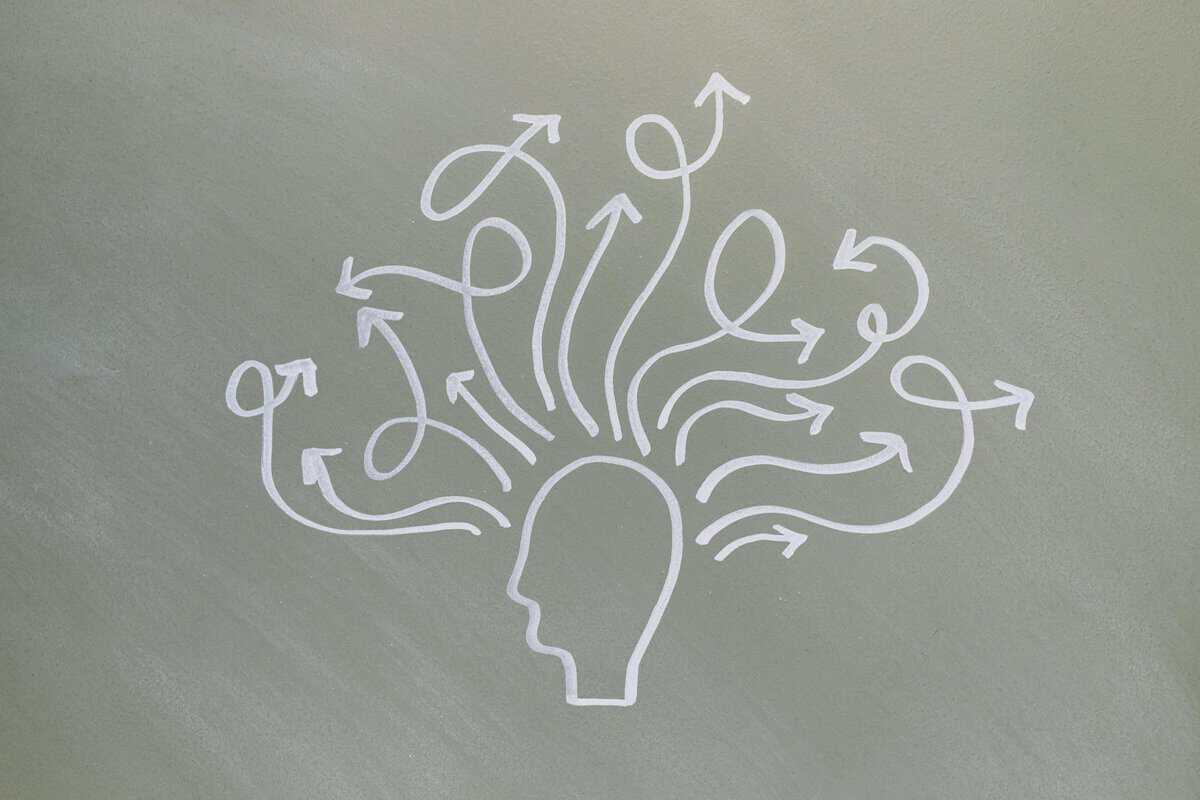
The Subconscious Mind: The Shocking Truth Behind Why 95% of Your Daily Behaviour Runs on Autopilot
By Michael Whelehan | Certified Master Hypnotherapist and Master NLP Practitioner | Breathe Hypnotherapy | Updated May 2026
The subconscious mind is behind almost everything you do today. Not just the reflexes and the heartbeat, but the habitual reactions, the emotional responses, the automatic reach for a cigarette, the 3pm trip to the kitchen, the racing thoughts at midnight, the fear that fires before you have consciously registered the trigger. According to cognitive neuroscientists, up to 95% of cognitive activity, including decisions, emotions and behaviour, occurs beyond conscious awareness. That figure is widely cited and, while the precise percentage cannot be empirically fixed, the underlying principle is robustly supported by decades of research: the conscious mind is far less in control than most people assume, and the subconscious mind is running a great deal more of daily life than is comfortable to acknowledge.
This is not a self-help concept. It is the scientific foundation of why real, lasting behavioural change requires something different from what most people try.
What Is the Subconscious Mind? Beyond the Popular Definition
The subconscious mind is not a separate organ or a hidden room in the brain. It is a functional description of the vast range of neural processing that occurs outside conscious awareness. Modern cognitive neuroscience uses terms like implicit memory, procedural memory and automatic processing to describe the systems involved, but the practical meaning is the same: a large portion of what the brain does, including how it responds to triggers, how it generates emotional reactions, and how it runs habitual behaviour, happens without the conscious mind directing or even noticing it.
These systems include the neural pathways responsible for habit formation and execution, the amygdala’s threat-detection and fear-response functions, the emotional memory systems that link past experiences to present reactions, and the procedural memory networks that allow complex behaviours to run automatically once they have been sufficiently rehearsed.
Neuroba’s neuroscience overview describes the subconscious mind as comprising memories, beliefs, habits and emotions that influence behaviour without requiring conscious awareness, with its operations rooted in neural pathways forged through experience, repetition and emotional significance.
The subconscious mind is not random. It is highly organised, extraordinarily efficient, and deeply conservative: it works to maintain the patterns it has established, because consistency and predictability are energetically cheaper than constant conscious re-evaluation of every situation.
The Science of Automaticity: Why Most Behaviour Is Not a Conscious Choice
The most rigorous scientific framework for understanding the subconscious mind’s role in behaviour comes from decades of research on automaticity, the process by which behaviours that were once effortful and conscious become automatic and non-conscious through repetition.
John Bargh, Professor of Psychology at Yale University, has spent over 40 years studying how unconscious processes shape human behaviour, motivation and decision-making without awareness or intent. His Automaticity in Cognition, Motivation and Evaluation (ACME) Laboratory has produced consistent findings showing that environmental triggers produce social judgments, behaviour and motivations in an entirely unconscious manner, and that conscious processes are not necessary for complex behavioural responses.
Research published in PMC from Bargh’s group at Yale found that much of social life is experienced through mental processes that are not intended and about which one is largely unaware, with these processes automatically triggered by features of the immediate environment. The research extended beyond simple reflexes to show that non-conscious influences guide important goal pursuits and social interactions over extended time periods.
What this means in practical terms is striking. Many of the choices that feel like decisions are not decisions in the conscious sense at all. They are automatic responses to familiar triggers, running on neural pathways that were established long ago and have been reinforced through repetition.
How Habits Form and Why the Subconscious Mind Locks Them In
A habit begins as a conscious behaviour. The first time someone smokes a cigarette, eats when anxious, lies awake scrolling through worrying thoughts, or avoids a situation that makes them uncomfortable, the brain is consciously processing the experience. The behaviour requires attention and effort.
Through repetition, the brain begins transferring control of the behaviour from the prefrontal cortex, the seat of conscious deliberation, to the basal ganglia, the neural structure most associated with habit storage and automatic execution. Once this transfer is complete, the behaviour no longer requires conscious initiation. A trigger in the environment fires the response automatically. This is energetically efficient: the brain frees up conscious capacity by automating well-rehearsed behaviours.
The problem is that this process makes no distinction between helpful habits and harmful ones. The subconscious mind does not evaluate whether a pattern is serving the person. It executes the pattern because it exists, because it has been reinforced, and because consistency is its primary operating principle.
Why Willpower Is the Wrong Tool for Breaking a Subconscious Pattern
This is the core reason why the most commonly attempted approaches to behaviour change so frequently fail.
Willpower operates at the level of the conscious mind. It is the deliberate effort to override an impulse, resist a craving or maintain a decision against competing urges. It is effortful, depletable and operates entirely in the conscious layer of processing. The habits it is trying to change are stored and executed at the subconscious layer.
This creates a fundamental structural mismatch. Using willpower to change a subconscious habit is like trying to fix a software problem by pressing harder on the keyboard. The tool is acting at the wrong level. The harder the effort, the more exhausting the process, and the more likely that when conscious resources deplete through stress, fatigue or emotional pressure, the subconscious pattern simply reasserts itself.
This is not a character failing in people who relapse. It is an entirely predictable outcome of applying the wrong intervention to the right problem.
The 5 Areas Where the Subconscious Mind Holds the Most Power
Understanding how the subconscious mind works reframes five of the most common and persistent challenges people face.
Smoking and vaping. The smoking habit is a textbook example of subconscious automaticity. Specific triggers, a morning coffee, completing a task, sitting in traffic, fire the urge to smoke before the conscious mind has registered what is happening. The decision to smoke is not made consciously. It has already been made subconsciously. The Breathe Quit Smoking program works directly at the subconscious level where those trigger-response patterns are stored.
Anxiety and the worry loop. The anxiety response is run by the subconscious nervous system, activated by conditioned threat signals that the subconscious has learned to associate with certain triggers, environments or thoughts. Conscious reassurance and breathing techniques manage the surface experience of anxiety but do not update the underlying pattern. The stress and anxiety service at Breathe Hypnotherapy addresses the subconscious patterns driving the worry loop directly.
Weight and eating behaviour. Emotional eating, stress-triggered food habits and reward-based eating patterns are all subconscious conditioning. The reach for food when anxious, bored or stressed happens automatically, before the conscious mind has engaged with the choice. Diets provide conscious rules that cannot override subconscious patterns. The gap between the two is where most weight loss attempts break down.
Sleep. Chronic insomnia is frequently maintained by conditioned arousal: the subconscious has learned to associate the bedroom with wakefulness and activation rather than rest. This conditioned response fires automatically regardless of how fatigued the person is. Changing a sleep hygiene routine does not touch a conditioned neural response. The subconscious pattern needs to be directly updated.
Phobias. The phobic fear response is activated subconsciously before the conscious mind has evaluated the situation. By the time the rational mind is available to assess the trigger, the subconscious has already activated a full threat response. Logic and reassurance arrive too late in the sequence to be useful.
In every one of these areas, the common factor is a subconscious pattern that maintains itself independently of what the conscious mind wants. Effective change requires accessing the subconscious level directly.
How Hypnotherapy Accesses and Updates the Subconscious Mind
Hypnotherapy works by guiding a person into a state of deep relaxation in which the conscious mind’s habitual defences and evaluation processes become quieter, making the subconscious mind more accessible and receptive to new patterns.
This is not a state of unconsciousness or loss of control. It is a natural state of focused inward attention, similar in some respects to the absorbed state of deep concentration or the moments just before sleep, in which the usual filtering activity of the conscious mind is temporarily reduced.
In this state, a skilled practitioner can work directly with the subconscious patterns maintaining a habit, emotional response or conditioned behaviour: identifying how the pattern is structured, disrupting the trigger-response sequence, installing new associations, and updating the subconscious self-concept that has been organising the pattern.
Michael Whelehan combines Ericksonian hypnotherapy with NLP and cognitive reprogramming across the full range of services at Breathe Hypnotherapy. The approach is tailored to the specific subconscious patterns each individual brings, rather than applying a generic script.
What Neuroplasticity Means for the Possibility of Real Change
One of the most important developments in modern neuroscience is the robust evidence for neuroplasticity: the brain’s demonstrated capacity to form new neural connections and reorganise existing ones throughout life. The subconscious mind is not fixed. The patterns it holds are not permanent. Neural pathways that have been reinforced through repetition can be disrupted, and new pathways established with sufficient and appropriately targeted input.
This is the scientific foundation beneath the practical results that hypnotherapy and NLP aim to produce. The subconscious mind can be updated. Patterns that have operated automatically for years or decades can be changed. The mechanism for that change is not willpower. It is access: reaching the subconscious level where the patterns live and working with them directly.
Frequently Asked Questions About the Subconscious Mind
Does the subconscious mind really control most behaviour?
Cognitive neuroscientists estimate that up to 95% of cognitive activity, including habitual behaviour, emotional responses and automatic decision-making, occurs beyond conscious awareness. While the precise percentage is debated, decades of research on automaticity, including John Bargh’s work at Yale, consistently demonstrates that a large proportion of daily behaviour is driven by non-conscious processes rather than deliberate conscious choice.
What is the difference between the conscious and subconscious mind?
The conscious mind handles deliberate thought, rational evaluation and effortful decision-making. It is limited in capacity and depletable. The subconscious mind runs automatic processes, habits, emotional responses and conditioned behaviours without conscious direction. It has vastly greater processing capacity and operates continuously, even during sleep. Most habitual behaviour is initiated and executed subconsciously, with conscious awareness often arriving after the fact.
Can the subconscious mind be changed?
Yes. Neuroplasticity, the brain’s capacity to form new neural connections throughout life, means that subconscious patterns are not fixed. They can be disrupted and replaced with new patterns through approaches that access the subconscious level directly. Hypnotherapy and NLP are specifically designed to work at this level, in contrast to conscious-level approaches like willpower or rational self-talk.
Why does willpower fail to change habits long-term?
Willpower operates at the conscious level. Habits are stored and executed at the subconscious level. Attempting to override a subconscious pattern using a conscious tool creates a structural mismatch: the effort is real but it is acting at the wrong level. When conscious resources deplete through stress, fatigue or emotional pressure, the subconscious pattern reasserts itself. This is the mechanism behind most relapses, not a failure of character or commitment.
What can hypnotherapy help with through the subconscious mind?
Hypnotherapy approaches the subconscious patterns behind smoking and vaping, anxiety and chronic worry, emotional eating and weight management, insomnia and sleep difficulties, and phobias. In each case, the goal is to access and update the specific automatic patterns maintaining the problem, rather than relying on conscious management strategies to override them indefinitely.
Individual results may vary. Hypnotherapy is most effective when you are genuinely ready to engage with the process. Your results will depend on your mindset, readiness, and personal commitment. Hypnotherapy is not a substitute for medical or psychological advice and is not a treatment for any diagnosed medical or mental health condition. If you have concerns about your mental health, habitual patterns or associated conditions, please consult your GP or a qualified healthcare professional. The success rates referenced on the Breathe Hypnotherapy website are based on documented client outcomes from Breathe Hypnotherapy’s practice.