

Smoking Workplace Costs Australia: What Employers Are Really Paying
By Michael Whelehan | Certified Master Hypnotherapist and Master NLP Practitioner | Breathe Hypnotherapy | Updated July 2026
Smoking workplace costs are higher than most Australian employers realise, and most of it never shows up as a single line item in the budget. It’s spread across sick leave, insurance, and the quieter cost of staff who are at their desk but not fully switched on. Here’s what the actual numbers say.
1. Smoking Workplace Costs Australia: The National Numbers
According to research from Flinders University’s workplace health program, tobacco-related absenteeism and presenteeism cost Australian workplaces close to $5 billion a year, driven by smokers and ex-smokers taking an extra 11.3 million sick days combined nationally. Workers who smoke daily take an average of 3.7 more sick days per year than staff who have never smoked. That gap holds even after accounting for other health differences, which suggests smoking itself, not just general health status, is driving a meaningful share of it.
For a business with even a modest number of smokers on staff, that’s a real, recurring cost, not a one-off.
2. Presenteeism: The Cost Nobody Puts on a Spreadsheet
Absenteeism is the visible cost. Presenteeism, staff who are physically at work but less focused, is the one that’s harder to measure and easier to ignore. Nicotine withdrawal begins within a couple of hours of a cigarette, so smokers on an eight-hour shift are often working through mild withdrawal for a portion of the day, which affects concentration whether or not a break is actually taken. Combine that with the time genuinely spent on scheduled smoke breaks, and the lost hours add up well beyond what shows up on a timesheet.
3. Absenteeism and Sick Leave: The Industry Picture
The cost isn’t distributed evenly. Industries with higher smoking rates, including construction, manufacturing, and shift-based or blue-collar roles, carry a larger share of the total burden than office-based industries with lower smoking rates. If your business sits in one of those sectors, the national averages above are likely understating your specific exposure rather than overstating it.
4. What Employers Can (and Can’t) Do About It
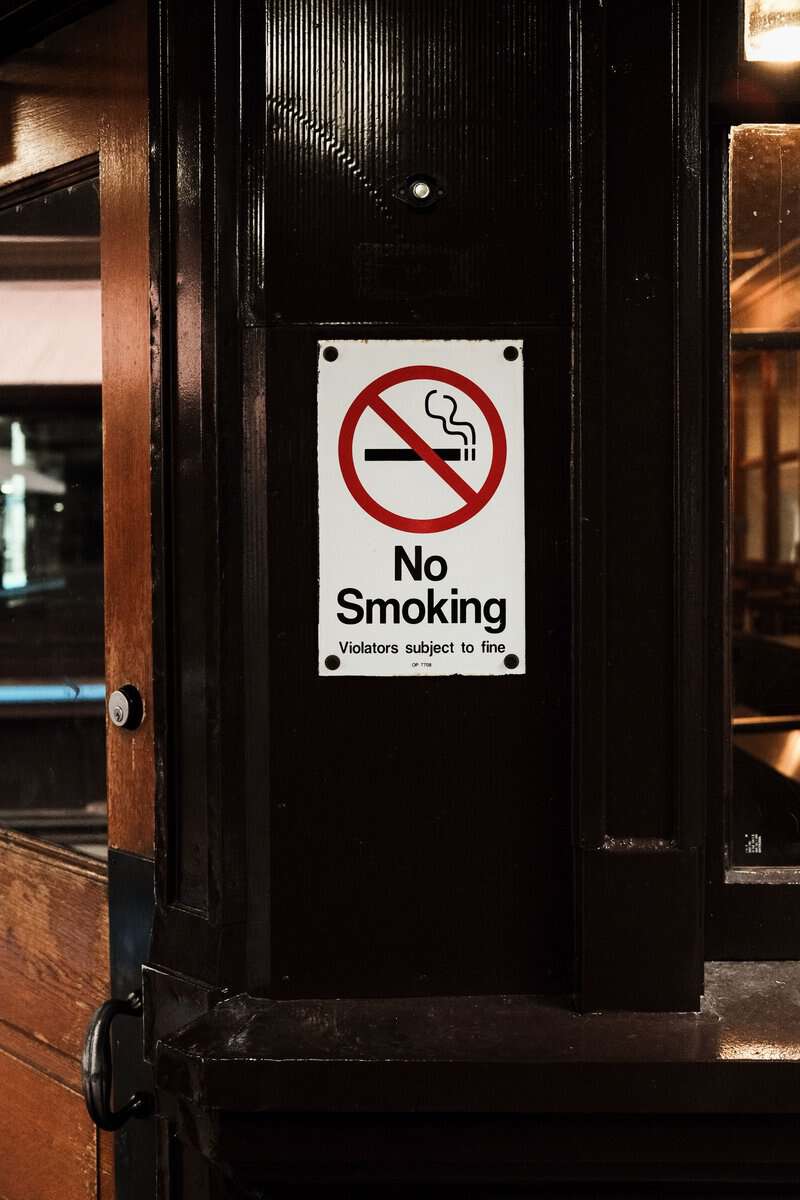
Employers can set smoke-free workplace policies and designate where smoking is and isn’t permitted on-site, and many now do. What employers generally can’t do is refuse to hire someone, or take action against an existing employee, purely on the basis that they smoke, since that moves into anti-discrimination and workplace relations territory that varies by state and by employment agreement. This article isn’t legal advice, if you’re considering a policy change, it’s worth checking the specifics with a workplace relations professional or Fair Work before implementing anything.
5. Supporting Staff Who Want to Quit
The more sustainable lever for most employers isn’t policy, it’s support. Businesses that offer or subsidise quit-smoking support for staff, whether through an EAP or a direct referral, tend to see the cost curve move faster than policy changes alone achieve. If you’re an HR lead or business owner in Melbourne looking at options for your team, get in touch to talk through what a group or corporate referral arrangement could look like, or read more about Michael’s approach first.
Individual results may vary. Hypnotherapy is most effective when the person receiving it is genuinely ready to make a change. Results depend on mindset, readiness, and personal commitment. This article is intended for general educational and informational purposes only and is not a substitute for legal, workplace relations, or medical advice. Employers should seek specific guidance before implementing workplace smoking policies. The success rates referenced on the Breathe Hypnotherapy website are based on documented client outcomes from Breathe Hypnotherapy’s practice.