

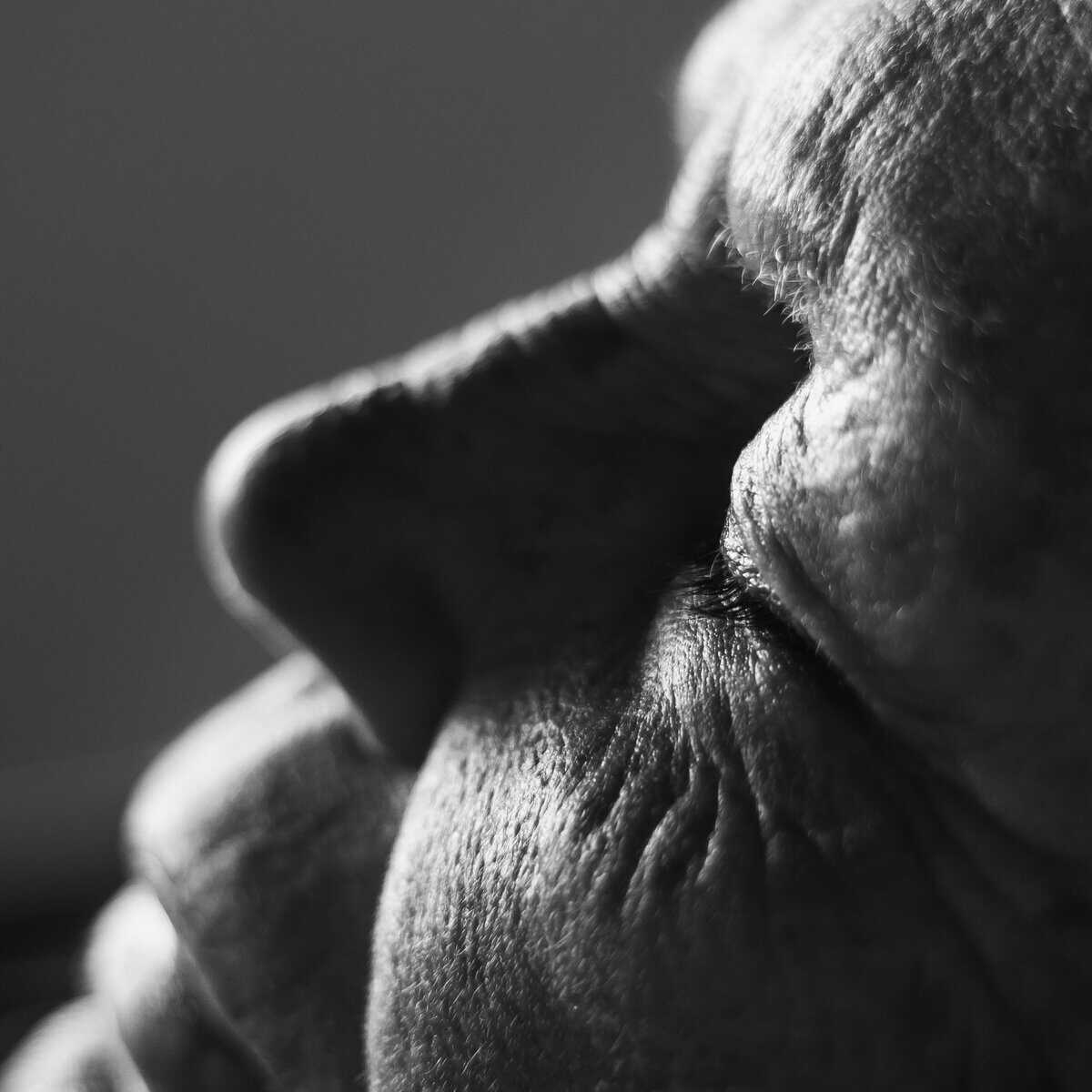
Smoking and Skin Ageing: Why Smokers Look 20 Years Older
By Michael Whelehan | Certified Master Hypnotherapist and Master NLP Practitioner | Breathe Hypnotherapy Melbourne | Updated May 2026
Smoking and skin ageing are connected in ways that are far more dramatic than most smokers realise. While the cardiovascular and lung risks are widely known, the visible, measurable damage happening to your face every time you smoke is something most people have never been told about in specific terms.
Here is the specific term: research published in the Annals of Internal Medicine found that smokers in their 40s were as likely to be prominently wrinkled as non-smokers who were 20 years older. Not slightly more wrinkled. As wrinkled as someone two decades their senior.
This is not a cosmetic footnote to the smoking conversation. It is one of the most concrete and visible consequences of the habit, and research consistently shows it is one of the most powerful motivators for quitting, particularly for women. Action on Smoking and Health UK reports that 21% of women and 13.3% of men acknowledge that the effect of smoking on their appearance was one of the factors that motivated them to quit.
Why Smoking and Skin Ageing Are Directly Connected
The link between smoking and skin ageing is not superficial. It operates through several specific biological mechanisms that are now well understood and well documented.
Collagen destruction. Collagen is the structural protein that keeps skin firm, plump, and elastic. A 2002 study published in the British Journal of Dermatology measured collagen synthesis in 47 smokers and 51 non-smokers and found that the synthesis rates of type I and type III collagens were lower by 18% and 22% respectively in smokers. Smoking also increases the production of enzymes called matrix metalloproteinases that actively degrade existing collagen. The effect is a double hit: less collagen being produced while more is simultaneously being broken down.
Oxygen deprivation. Research cited by Medical News Today confirms that nicotine constricts blood vessels, restricting the flow of oxygen and nutrients to the skin. The dull, greyish complexion commonly associated with smokers is a direct result of this restricted circulation. Skin deprived of oxygen ages faster, heals more slowly, and produces fewer new cells.
Free radical damage. Cigarette smoke introduces thousands of toxic chemicals into the body, generating oxidative stress that damages skin cells directly. Research published in ScienceDirect confirms that tobacco smoke extract impairs collagen formation and increases production of enzymes that degrade the structural matrix of the skin.
The smoking motion itself. The repeated pursing and puckering of the lips to draw on a cigarette creates and deepens fine lines around the mouth over years of repetition. Squinting against smoke creates crow’s feet. These are mechanical contributions to the ageing pattern on top of the biochemical ones.
The Research That Should Stop Every Smoker in Their Tracks
Beyond the headline finding about wrinkle equivalence across age groups, the research on smoking effects on skin contains several findings that are genuinely striking.
A study published in PMC found that in current smokers, the relative risk of moderate to severe facial wrinkling compared with non-smokers was 2.72. Heavy smokers with more than 19 pack-years of smoking showed a relative risk of 2.93. Microscopic superficial wrinkling was also detected in current smokers in the 20 to 39 year age group, meaning the damage is occurring well before it becomes visually obvious.
A 2024 study published on PubMed found that the probability of developing significantly more nasolabial fold wrinkles by age 58 almost doubles for heavy smokers compared to non-smokers.
A separate study measuring biophysical properties of skin found that smokers had measurably fewer collagen and elastin fibres in the dermis, causing skin to become slack, hardened, and less elastic.
And then there is the finding that tends to land hardest with long-term smokers: a study on skin biological age found that average biological skin age decreased from 53 to 40 years during just 9 months of smoking cessation. The skin aged backwards by 13 years in under a year after quitting.
Smoking Effects on Skin: What Actually Happens to Your Face
Understanding the specific changes that smoking causes to facial appearance helps explain why smokers often notice an accelerated change in how they look in their 30s and 40s.
Skin damaged by tobacco smoke typically develops a greyish, dull appearance from restricted circulation. Fine lines appear earlier and deepen faster than in non-smokers. The skin around the eyes and mouth is particularly affected, as these are areas where both the mechanical motion of smoking and the blood vessel constriction cause compounding damage.
Uneven skin tone and pigmentation disorders are more common in smokers due to the oxidative stress from tobacco chemicals. The skin loses its ability to retain moisture as the barrier function is compromised. Healing slows significantly, meaning any skin damage from sun exposure, injury, or acne takes longer to resolve.
ASH UK notes that skin damage from smoking can start to be detected in a person’s 20s and 30s, even before it becomes visually obvious. By the time a smoker notices the change in the mirror, the biological process has been running for years.
What Happens to Skin After Quitting: The Recovery Timeline
This is the part of the smoking and skin ageing conversation that is least well known, and it is genuinely encouraging.
The skin begins recovering from the effects of smoking remarkably quickly after the habit stops. A peer-reviewed study published in PMC measured skin colour changes in men who quit smoking and found significant measurable improvements at both the one-week and four-week follow-up visits.
The recovery timeline that research and dermatology sources support is as follows:
Within 2 to 3 days, restricted blood vessels begin to dilate again and circulation starts improving. Skin colour begins shifting from the grey or sallow tone associated with smoking.
Within 1 week, increased oxygen and antioxidant levels in the skin produce a more vibrant complexion for many people. Westlake Dermatology notes that skin tone improvement is often one of the earliest visible changes ex-smokers notice.
Within 1 month, circulation continues recovering, restoring nutrients and oxygen to the skin and boosting cell turnover. The greyish tone associated with smoking continues to improve.
Within 3 to 6 months, collagen and elastin production begins recovering. Shallow dynamic wrinkles can start to improve. Many ex-smokers notice their skin looks and feels softer. A 2013 study found that skin colour changes from smoking start to reverse within 4 to 12 weeks of quitting.
Within 9 months, the biological skin age finding cited above suggests the improvement can be dramatic. Skin that was biologically aged at 53 returned to a biological age of 40 in the study population, a 13-year reversal in under a year. Individual results vary and not all damage from long-term smoking is reversible, but the trajectory of recovery is consistent across multiple studies.
The damage that accumulated over years will not disappear overnight. But it starts reversing within days. That is a meaningful return on the decision to quit.
The Vanity Motivation Nobody Should Feel Ashamed Of
Health conversations about smoking tend to focus on lungs, cardiovascular disease, and cancer. These are important and real. But for many people, particularly those who have been smoking for years and have made a psychological accommodation with the long-term health risks, the appearance argument lands differently.
Wanting to quit smoking because you want to look better is a completely legitimate motivation. Research confirms it. ASH UK’s data shows that appearance was a motivating factor for more than one in five women who quit. It is not vanity to want your skin to look the age you actually are. And the research makes clear that quitting gives the skin a genuine opportunity to start recovering that appearance.
If smoking and skin ageing has been something you have noticed in yourself, or if you are at an age where you can see the trajectory and would prefer to change it, that is a completely valid reason to book a free strategy call.
Many Breathe Hypnotherapy Melbourne clients cite appearance as one of several motivating factors. The Breathe Quit Technique works at the subconscious level where the habit operates, addressing the psychological drivers that keep people smoking despite knowing what it is doing to their health and their face. Learn more about how the BQT approach works and read 170+ verified five-star reviews from Melbourne locals who have quit.
Individual results vary and success depends on genuine readiness and commitment to change.
Frequently Asked Questions
Does smoking really cause premature skin ageing? Yes, and the research is extensive. Multiple peer-reviewed studies confirm that smoking is an independent risk factor for premature facial wrinkling and accelerated skin ageing. Research published in the Annals of Internal Medicine found that smokers in their 40s were as likely to be prominently wrinkled as non-smokers 20 years older. The mechanisms are well understood: collagen destruction, oxygen deprivation, and free radical damage from tobacco chemicals.
When does smoking start affecting the skin? Research shows that microscopic skin changes can be detected in smokers in their 20s and 30s, before the damage is visibly obvious. By the time changes appear in the mirror, the biological process has typically been running for years. The earlier smoking stops, the more recovery is possible.
Can skin recover after quitting smoking? Research strongly supports meaningful skin recovery after quitting. One study found that biological skin age decreased from 53 to 40 years during 9 months of cessation. Skin colour changes begin reversing within 4 to 12 weeks. Collagen and elastin production improves over months. Not all long-term damage is fully reversible, but the trajectory of improvement is consistent across multiple studies. Individual results vary.
How does smoking destroy collagen? Smoking reduces collagen synthesis by 18 to 22% in the skin according to published research, while simultaneously increasing enzymes that break down existing collagen. Nicotine also constricts blood vessels, depriving skin of the oxygen and nutrients needed for collagen production. The combined effect accelerates structural breakdown of the skin significantly faster than natural ageing alone.
Can hypnotherapy help someone quit smoking for skin health reasons? It may for many people. The Breathe Hypnotherapy Quit Technique works at the subconscious level to address the psychological patterns driving the smoking habit, regardless of what motivates someone to quit. Appearance is a completely valid motivating factor and can be incorporated into the personalised session. Individual results vary and success depends on genuine readiness and commitment. A free strategy call is the starting point to assess fit.
Important Note
Individual results may vary. Hypnotherapy may be most effective when you are genuinely ready to quit smoking. Success depends on your mindset, readiness, and commitment to change. Hypnotherapy is not a substitute for medical advice. Always consult with your healthcare provider for diagnosis, treatment, or support for any medical or psychological conditions. The 95% success rate cited on this website is based on Breathe Hypnotherapy’s documented client outcomes.
About the Author: Michael Whelehan is the founder of Breathe Hypnotherapy Melbourne and creator of the Breathe Quit Technique (BQT). He has helped more than 2,700 Melbourne locals quit smoking and vaping, and has trained 73+ practitioners worldwide in his methodology.