
Smoke Free Zones Australia: 7 Rules Smokers Should Know
By Michael Whelehan | Certified Master Hypnotherapist and Master NLP Practitioner | Breathe Hypnotherapy | Updated August 2026
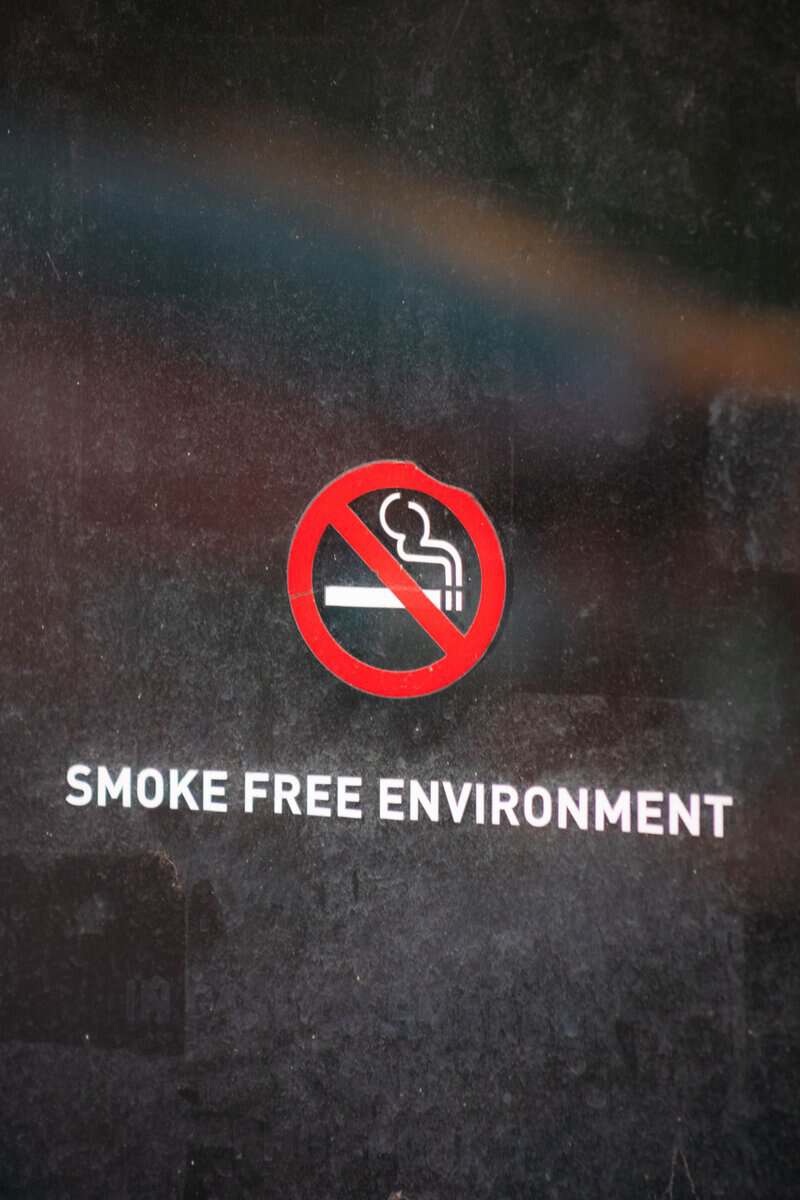
Smoke free zones across Australia have expanded well beyond indoor venues over the past two decades, and the reference text Tobacco in Australia, published by Cancer Council Victoria, documents just how far that expansion has gone in every state and territory.
1. Every State Has Banned Smoking in Enclosed Public Places
Every Australian state and territory has banned smoking in enclosed public places, including shopping centres, restaurants, offices, cinemas, and all forms of public transport. This has been the baseline since the early 2000s, but what’s changed more recently is how far smoke free zones now extend into outdoor spaces.
2. Public Transport Stops Are Covered Nationwide
Smoke free zones now routinely include the areas where people wait for transport, not just the vehicles themselves. In South Australia, smoking is banned within 5 metres of any bus stop, tram stop, railway station, or taxi rank, regardless of whether the area is covered. In New South Wales, smoking is banned at every public transport stop and station in the state, covered or uncovered, with on the spot fines of $300 for anyone who breaches the rule, even if they’re the only person there. Queensland enforces a similar 5 metre buffer around public transport waiting points, and the Australian Capital Territory bans smoking within 5 metres of all public transport stops and stations.
3. Building Entrance Buffer Zones Are Common
Smoke free zones extend to the areas immediately outside buildings in most states. New South Wales enforces a 4 metre buffer from the entrance to public buildings, known locally as the ‘4 metre law’. Queensland requires a 5 metre buffer around non-residential building entrances, schools, and early childhood education centres. These buffer zones exist because entrances concentrate foot traffic, giving people limited ability to avoid secondhand smoke as they come and go.
4. Vaping Is Covered by the Same Laws in Most States
In every state and territory except Western Australia, smoke free zones that apply to tobacco smoke also apply to e-cigarette aerosol. In Western Australia, the vaping restriction currently only extends to enclosed workplaces rather than the full range of outdoor smoke free zones. This means in most of the country, reaching for a vape instead of a cigarette doesn’t get around the rule.
5. Cars With Children Are Smoke Free Zones Too
Every Australian state and territory now bans smoking in a car when a child under 16 is present, regardless of whether the vehicle is moving or parked. South Australia was the first state to introduce this ban in 2007, with penalties currently reaching up to $5,000 for repeat or serious breaches. This is one of the more strictly enforced smoke free zones because of how concentrated secondhand smoke becomes in an enclosed vehicle.
6. Playgrounds and Sporting Events Have Their Own Buffers
Smoke free zones around children’s play equipment are common across the country, typically ranging from 10 metres in New South Wales and Queensland to similar distances in other states. Queensland also restricts smoking within 10 metres of playing and viewing areas during organised sporting events for under 18s, recognising that these are settings where children gather in numbers even outside a fixed playground.
7. Local Councils Can Expand the Rules Further
Beyond state legislation, many local councils have the power to declare additional smoke free zones in their own areas. In New South Wales, well over half of local councils have introduced their own outdoor smoking bans covering areas like sporting fields and areas near council buildings. Queensland has given local governments the power to ban smoking in outdoor public spaces not already covered by state law, and Brisbane City Council has used this to ban smoking in the Queen Street Mall.
What This Reflects About Smoking in Australia
The consistent expansion of smoke free zones over the past two decades reflects a broader shift in how smoking is treated in public life. What used to be permitted almost everywhere is now restricted in more places than it’s allowed, and that shift has happened steadily rather than all at once. For many smokers, navigating an ever-growing list of places you can’t smoke becomes its own source of daily friction, on top of everything else that makes quitting worth considering.
Why Awareness of the Rules Rarely Leads to Quitting Alone
Most smokers are already aware that the spaces available to them keep shrinking. That awareness on its own rarely translates into quitting, because the habit itself runs on subconscious triggers and routine, not simply on where it’s legally permitted. This is exactly the pattern hypnotherapy is designed to address, working with the automatic behaviour rather than relying on inconvenience or willpower to do the job.
Important Disclaimer
Breathe Hypnotherapy does not provide legal advice, and smoke free zone laws vary by state, territory, and local council, and may change over time. The information above reflects legislation compiled in Tobacco in Australia, a reference text produced by Cancer Council Victoria, current as of the time of writing. Always check with your relevant state or territory health department for the most current rules in your area. Hypnotherapy at Breathe supports people to stop smoking or vaping and does not provide guidance on navigating specific smoke free zone regulations.
Ready to Quit for Good
If keeping track of where you can and can’t smoke has become one more reason to quit, Breathe Hypnotherapy offers a single Zoom session, Australia-wide, backed by a lifetime relapse guarantee. If you ever relapse, you’re welcome back for a free follow-up session at no cost. Book your session with Michael today.