
Smoking Vaccine Response Australia: 4 Critical Findings Smokers Should Know
By Michael Whelehan | Certified Master Hypnotherapist and Master NLP Practitioner | Breathe Hypnotherapy | Updated September 2026
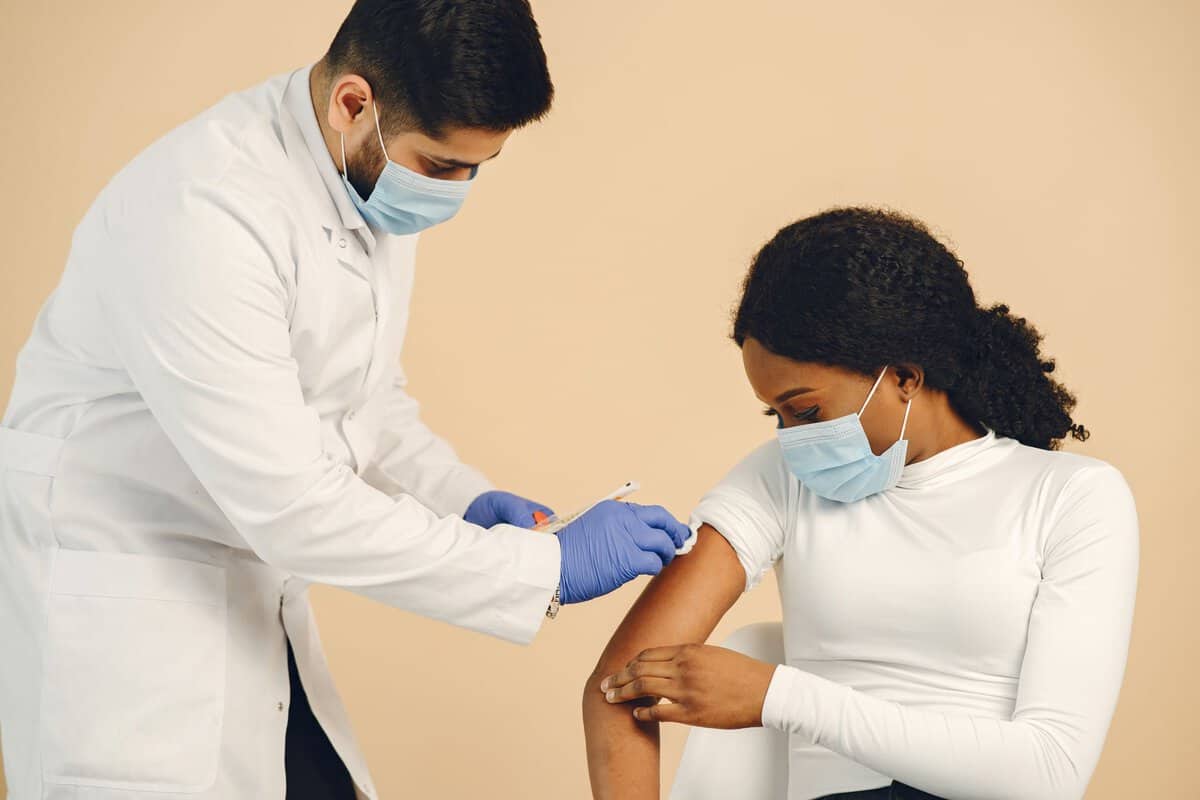
Smoking vaccine response is one of the lesser known ways tobacco affects the immune system. A 2024 systematic review and meta-analysis pooled studies across many vaccines and found a statistically significant difference in vaccine-induced antibody levels between smokers and non-smokers. Its authors suggest smoking cessation campaigns should be considered to help vaccination programs work better.
How Big Is the Smoking Vaccine Response Problem?
It is worth being precise here. The research mostly measures antibody levels after vaccination, and the size of the effect varies by vaccine. Lower antibody levels do not automatically mean a person is unprotected, and most studies do not track how many smokers actually catch the disease.
For context, an estimated 5 to 10 percent of adults do not respond to a standard three-dose hepatitis B course. A systematic review of management options lists smoking among the risk factors for non-response, alongside male gender, age over 40, high body mass index, and immunosuppression. No Australian-specific study on smoking vaccine response was identified for this article, so the evidence below is international.
4 Vaccines Where Smoking Vaccine Response Has Been Studied
- COVID-19. A rapid systematic review found that in 17 of 23 studies, current smokers had much lower antibody levels, or a faster drop in vaccine-induced antibodies, than non-smokers. The authors note the mechanism is not fully understood.
- Hepatitis B. A 24-year cohort study found smokers had a higher risk of a non-protective antibody level, about 29 percent higher, in people vaccinated as children. The authors caution that a low level does not automatically mean a lack of protection.
- HPV. The same paper, summarising earlier research, says smoking does not appear to significantly change antibody levels after HPV vaccination but is associated with a higher risk of low-avidity antibodies, meaning antibodies that bind less strongly.
- Influenza. Results point in different directions. The 2024 meta-analysis notes that some findings suggest smoking does not impede antibody production after influenza vaccination, and that this has yet to be corroborated by later studies.
How Smoking Vaccine Response Differs From General Immune Risk
Our guide on why smokers get sick more often covers how smoking affects the body’s everyday defences and infection risk. This article is narrower. It looks only at what happens after a vaccine, which is a separate question with its own body of research.
What the Smoking Vaccine Response Research Means for You
Nothing here is a reason to skip a vaccine. If you smoke and have concerns about a specific vaccination, speak with your GP. For hepatitis B, the Australian Immunisation Handbook recommends that people who do not respond to a course be offered further doses and blood testing, so a poor response is something your doctor can act on.
On quitting, the studies above compare current smokers with non-smokers. They do not show how quickly vaccine response improves after someone stops, so this article makes no promise about that. What is well documented is that quitting lowers the risk of other serious harms, as covered in our guide to smoking cancer risk.
Why Willpower Alone Often Isn’t Enough
Most smokers already know the risks. Anyone who has tried patches, gum, or sheer willpower and gone back to smoking knows that knowing the danger and being free of the habit are different things. Nicotine dependence runs through the subconscious mind and the body’s stress response, not just conscious decision-making, which is why so many quit attempts fail even when someone genuinely wants to stop.
How Hypnotherapy Supports Quitting
Hypnotherapy at Breathe Hypnotherapy works with the subconscious patterns that keep the habit running on autopilot. Michael Whelehan works with clients Australia-wide in a single Zoom session, and you can read more about how the process works.
To be clear, hypnotherapy does not treat any medical condition, and it does not improve immune function or vaccine response. It helps people stop smoking by working with habit and trigger patterns.
Important Disclaimer
Breathe Hypnotherapy does not provide medical or immunisation advice and does not diagnose or treat any condition. This article is general information about smoking vaccine response based on peer-reviewed international research and the Australian Immunisation Handbook. It is not a reason to delay or avoid any vaccination. Hypnotherapy at Breathe supports people to stop smoking or vaping. Speak with your GP or immunisation provider about your individual situation.
Ready to Quit For Good
If you’re ready to stop smoking or vaping, Breathe Hypnotherapy offers a free 40-minute assessment to check that it’s the right fit, then a single Zoom session, Australia-wide. If you quit and cravings return later, the lifetime relapse guarantee entitles you to a free re-session. Book your assessment with Michael today.